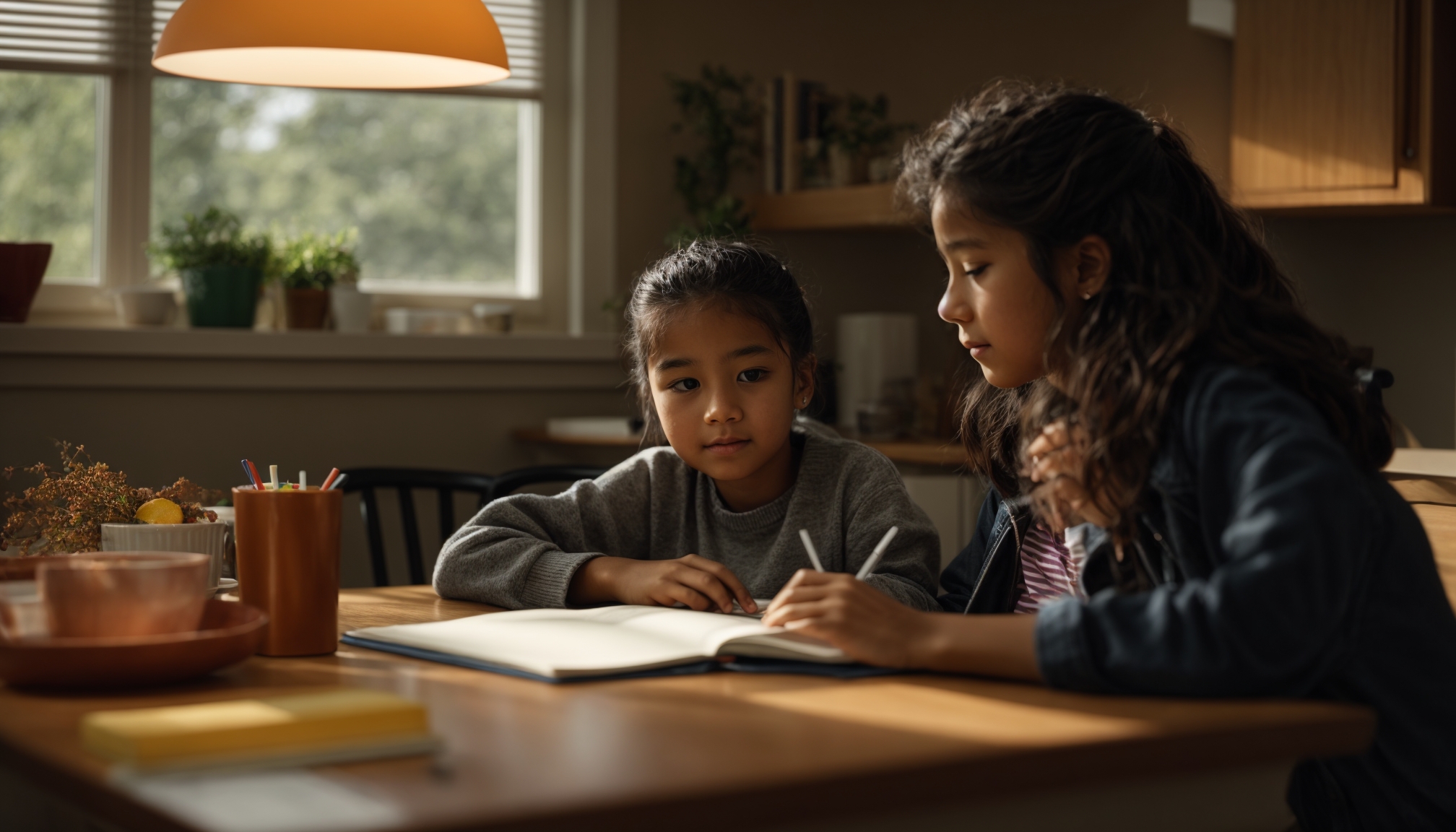
St Francis Luck Now – Many families now realize that strong grades are not enough; when parents build student resilience, children cope better with stress, setbacks, and pressure at school.
Resilience helps students manage academic pressure, social conflict, and change without feeling overwhelmed. When parents build student resilience, they give children tools to handle failure, disappointment, and uncertainty in healthier ways. This protection becomes crucial during exam seasons, transitions to new schools, or friendship issues.
Research shows that resilient students show more persistence, better attendance, and stronger mental health. They are more likely to ask for help, try again after a poor grade, and adjust when plans change. As a result, resilience becomes as important as intelligence for long-term success.
Families play a central role in shaping how children view stress and challenge. Calm, supportive responses at home teach students that problems are manageable, not disasters. Over time, this mindset turns everyday struggles into practice opportunities for stronger resilience.
Small, consistent routines at home can significantly strengthen coping skills. Parents build student resilience when they create predictable schedules for sleep, meals, homework, and rest. These routines reduce chaos and help children feel secure, even when school feels demanding.
Encouraging healthy habits also matters. Nutritious food, enough sleep, and regular movement support the brain and body, making it easier for students to regulate emotions. Simple family walks or stretching after homework can lower stress and open space for conversations about the day.
On the other hand, overscheduling can increase anxiety and reduce recovery time. Parents who protect time for rest and unstructured play show children that well-being matters as much as achievement. This balance teaches students to listen to their limits and respect their emotional needs.
Open, nonjudgmental conversations are one of the most powerful ways parents build student resilience. When children feel safe to share mistakes, fears, and worries, they learn that difficult emotions are acceptable and manageable. Listening more than speaking builds trust and reduces shame.
Instead of rushing to solve every problem, parents can ask gentle questions: “What do you think might help?” or “What have you tried so far?” These questions encourage problem-solving and self-reflection. Gradually, students become more confident in their own ideas.
Read More: Practical resilience tips for parents and teachers from APA experts
Language also shapes resilience. Praising effort, strategies, and persistence, rather than only outcomes, sends a powerful message. Phrases like “You worked hard on that project” or “You kept trying even when it was hard” highlight behaviors students can control.
Academic setbacks give families important chances to model resilience. When parents build student resilience around schoolwork, they help children see poor grades or mistakes as feedback, not as proof of failure. This shift in perspective reduces fear and encourages growth.
Parents can guide children to review what went wrong on a test, identify learning gaps, and plan concrete next steps. This might include asking the teacher for help, practicing specific problem types, or creating a new study schedule. Turning disappointment into an action plan builds confidence.
Furthermore, it helps when adults share their own stories of past challenges. Describing a time they struggled, sought help, and improved shows that difficulty is normal. Students then understand that growth often begins with uncomfortable experiences.
Strong communication between home and school supports resilience on both sides. Parents build student resilience more effectively when they understand classroom expectations, upcoming assessments, and available resources. Regular contact with teachers can reveal patterns in behavior, motivation, or stress.
Families can also encourage children to use school-based supports like counseling services, tutoring, or mentoring programs. Learning to reach out for help is a key resilience skill. It teaches students that seeking support is a strength, not a weakness.
Meanwhile, teachers benefit when parents share insights about a child’s worries, strengths, and triggers. This information allows educators to respond with empathy and adjust strategies when possible. Together, home and school create a consistent message: challenges are real, but support is available.
Over time, repeated small experiences of coping well with stress accumulate. Parents build student resilience each time they stay calm during a crisis, encourage honest feelings, and focus on solutions. These moments teach children that they can survive frustration, embarrassment, and fear.
Students who practice resilience at school often carry these skills into friendships, hobbies, and future jobs. They become more flexible, more hopeful, and more willing to try again after setbacks. In a changing world, this mindset may be one of the most valuable resources families can nurture.
Ultimately, when parents build student resilience with patience and consistency, they give their children more than protection from stress. They also offer a sense of inner strength that students can rely on long after they leave the classroom.